
Select Page

Table of Contents

Last Updated: September 4, 2026

Why Luxury Restroom Trailer Maintenance Matters

The portable restroom trailer market was valued at $1.8 billion in 2025 and is projected to reach $3.1 billion by 2034, growing at a 6.2% CAGR Dataintelo’s Portable Restroom Trailer Market Research Report 2034. That growth reflects a simple reality: guests at upscale weddings, festivals, and corporate events now expect running water, climate control, and spotless interiors. Luxury restroom trailer maintenance is the difference between a five-star guest experience and a liability that damages your reputation.

But those margins shrink fast when owners neglect preventative maintenance. At Royal Thrones, our team has seen what happens when operators skip routine care: clogged lines, foul odors, and costly emergency repairs that could have been prevented with a consistent schedule.

You don’t need a mechanical engineering degree, you need a system. Below are the exact routines that keep luxury units operating at peak performance, from daily cleaning to seasonal winterization.

Portable Toilet vs Restroom Trailer: Upkeep Differences

The maintenance burden differs completely between the two. A standard portable toilet is a single-piece fiberglass unit with a holding tank. A restroom trailer is a climate-controlled facility with a fresh water system, plumbing, electrical components, and separate black water and grey water tanks.

Portable toilets need chemical treatment and periodic pump-out. Restroom trailers demand ongoing attention to multiple interconnected systems:

  • Fresh water system: Requires sanitization and leak checks
  • Waste tanks: Separate black water and grey water compartments need proper treatment
  • Electrical system: Powers lighting, HVAC, and the flushing mechanism
  • Plumbing integrity: Seals and gaskets must be inspected regularly

The operational reality is that restroom trailer maintenance requires a more disciplined approach. Industry operators are increasingly opting for professional service contracts that include regular cleaning and maintenance to keep units in top condition OnSite Co’s service contract guidance. This isn’t optional upkeep; it’s the core of protecting your investment.

Daily Restroom Trailer Cleaning Checklist

Execute a restroom trailer cleaning checklist before every event and again during extended use. The goal is twofold: visible cleanliness for guests and genuine sanitization of high-touch points.

Start with the interior detailing pass. Wipe down all surfaces using non-abrasive cleaners that won’t damage marble countertops or acrylic fixtures. Pay special attention to faucet aerators, door handles, flush buttons, and light switches, these high-touch points harbor the most bacteria and require disinfectant left to dwell per the label instructions.
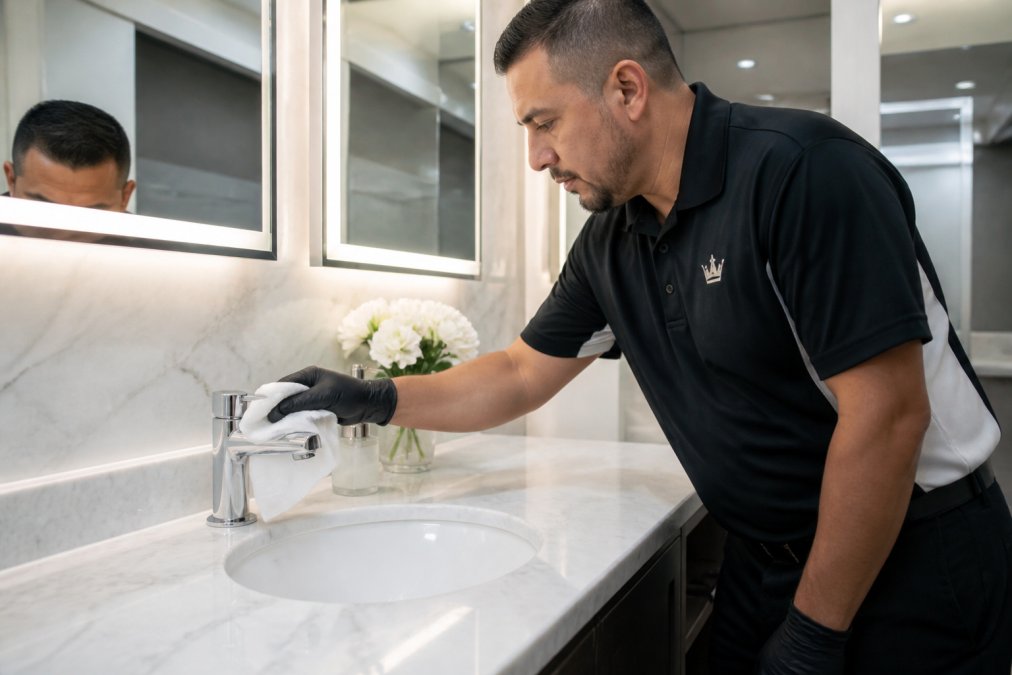
A gloved technician in a branded uniform wiping down a chrome faucet inside a bright luxury restroom trailer with marble countertops and soft LED lighting

The daily routine breaks down into three phases:

  1. Pre-event inspection: Check soap dispensers, paper towel levels, toilet paper, and deodorizer. Refill anything below half.
  2. Mid-event refresh: Every 2-3 hours during heavy use, spot-clean surfaces, empty trash, and check the flushing mechanism.
  3. Post-event deep clean: Scrub floors and toilets, disinfect all surfaces, empty waste tanks if near capacity, and restock consumables.

Running out of supplies mid-reception is the fastest way to turn a luxury experience into a complaint. Keep a restocking kit with every unit and check levels between events.

Watch Out
Skipping the mid-event refresh during peak hours leads to odor buildup and stained fixtures that require aggressive chemical cleaning later. The consequence is a guest experience that reflects poorly on your event and shortens the lifespan of your interior surfaces.

Restroom Trailer Waste Tank Maintenance

Restroom trailer waste tank maintenance is the most critical technical task you’ll perform, and it’s where neglect causes the worst damage. Modern trailers increasingly use one-piece polyethylene tanks specifically to reduce maintenance complexity Satellite Industries’ tank design insights. That design choice helps, but it doesn’t eliminate the need for proper care.

The waste system has two compartments: black water from toilets and grey water from sinks. Both require different treatment. Black water needs enzyme-based digesters that break down solids and paper. Grey water needs less aggressive treatment but still requires regular dumping to prevent buildup in the lines.

A practical benchmark is to pump when the tank reaches two-thirds full; waiting until full risks clogs and makes pump-out messier. During pump-out, inspect the seals and gaskets around the dump valve for cracks or wear, a failing gasket is the most common source of leaks and odors.

Odor control starts with the tank, not air fresheners. If you smell sewage inside the trailer, the problem is usually a dry trap, a cracked seal, or insufficient enzyme treatment. Address the root cause rather than masking the smell.

Pro Tip
Add a cup of enzyme treatment down every drain after each pump-out. This keeps the grey water lines clear and prevents the buildup that causes slow drains and foul odors weeks later.

Regulatory Compliance and Health Inspection Readiness

Ensure your waste system meets health department standards. In the United States, public restroom facilities are subject to state and local health codes, which often incorporate the FDA’s Model Food Code for temporary events. A restroom trailer used at a public event is typically classified as a temporary sanitation facility, meaning it must be serviced by a licensed waste hauler and the disposal must be documented.

To stay inspection-ready, maintain a service log for each unit recording the date of every pump-out, the volume of waste removed, and the name of the licensed hauler. Ensure your dump valve connection point is clearly marked and accessible, as inspectors will check that the waste outlet is not leaking and the area around it is free of residue.

Some jurisdictions require grey water to be disposed of at a designated dump station rather than into a sewer or storm drain. Verify the rules in your operating area and ensure your service contract includes proper grey water disposal. Failing to comply can result in fines or the shutdown of your unit mid-event.

Sensor and Venting System Maintenance

Modern luxury trailers often include tank level sensors mounted on the side of the tank that can become coated with debris, causing inaccurate readings. A common failure is a sensor that reads “empty” when the tank is full, leading to overflow. Clean the sensor probes with a tank-safe degreaser every three months. If readings remain erratic, the sensor may need replacement, a job requiring access through a service panel.

Each waste tank has a vent line that runs to the roof to release gases. If this vent becomes clogged with debris or insect nests, pressure builds inside the tank, causing poor flushing or waste pushed back up through the drain. Inspect the vent cap on the roof monthly and clear any obstructions. During winterization, ensure the vent line is free of ice.

Watch Out
A clogged vent is a silent killer. It doesn’t show up on a sensor and won’t be caught by a visual inspection of the tank. If you notice slow flushing or gurgling sounds from the toilet, check the vent line first before assuming a pump failure.

Water System, Plumbing, and Electrical Checks

The fresh water system delivers the running water that separates a restroom trailer from a portable toilet. It also introduces the most failure points. Regular checks of the plumbing integrity and electrical system prevent the majority of mid-event breakdowns.

Weekly, inspect all visible plumbing connections for drips, paying attention to the water heater, pump, and connections at each fixture. A small leak left unattended can cause water damage costing thousands to repair. Test the water pump pressure and listen for cycling that suggests a leak.

The electrical system powers your lighting, HVAC, and the flushing mechanism. Check the battery maintenance schedule if your unit runs on battery power, and verify that shore power connections are clean and corrosion-free. Test GFCI outlets monthly.

Clean or replace HVAC air filters monthly during heavy use seasons. A clogged filter reduces cooling efficiency and can freeze the evaporator coil in summer. Check that condensate drains are clear so water doesn’t pool inside the unit.

Water Heater and Pump Specifics

The water heater is typically a 6-gallon propane or electric unit. The most common failure is sediment buildup at the bottom of the tank, which insulates the heating element and causes it to overheat. Drain and flush the water heater every three months. If your unit uses an anode rod, inspect it annually and replace it when deteriorated by more than 50%. A neglected anode rod leads to a rusted tank that leaks.

The water pump is usually a 12-volt diaphragm pump rated at 3 to 5 gallons per minute. If the pump cycles on and off when no faucet is open, you have a leak, often the check valve on the pump outlet, which can fail and allow water to flow backward. Replacing a check valve is a $15 part and a 10-minute job. Also inspect the pump’s inlet strainer for debris; a clogged strainer causes the pump to run dry and burn out.

Eco-Friendly Chemical Selection for the Fresh Water System

Most maintenance guides miss the environmental impact of the chemicals you use. Standard RV antifreeze contains propylene glycol, generally recognized as safe, but some brands include additives that are not biodegradable. For flushing and sanitizing the fresh water system, many operators are switching to hydrogen peroxide-based sanitizers instead of chlorine bleach. Hydrogen peroxide breaks down into water and oxygen, leaves no toxic residue, and is effective against biofilms that chlorine can miss.

When selecting a tank treatment for the waste system, look for products labeled as biodegradable and free of formaldehyde. Formaldehyde-based deodorizers are effective but are classified as hazardous waste in some states, making disposal more complicated and expensive. Enzyme-based digesters are a better choice for both environmental compliance and long-term tank health, they break down solids naturally and do not harm seals or gaskets.

Pro Tip
Check the Safety Data Sheet (SDS) for any chemical you use in the trailer. If the SDS lists a disposal restriction or a hazardous waste classification, consider switching to a greener alternative. This not only reduces your environmental liability but also simplifies waste disposal at dump stations that have restrictions on chemical content.

Seasonal Care: Winterization and Summer Heat

Seasonal extremes demand different restroom trailer maintenance strategies. Winterization is non-negotiable in cold climates; skipping it can crack pipes and destroy the fresh water pump.

Winterization involves draining the entire fresh water system, including the water heater and all supply lines. Add RV-grade antifreeze and run it through every faucet until pink fluid appears at each outlet. Pour antifreeze down every drain to protect the P-traps. Finally, disconnect and drain hoses and store them indoors.

Summer heat accelerates bacterial growth in waste tanks and can cause deodorizers to fail faster. Increase enzyme treatment frequency during hot months and monitor tank levels more closely. Ensure roof vents and exhaust fans operate correctly to prevent heat buildup inside the unit.

An unlevel trailer causes water to pool in low spots and can prevent proper draining during winterization. Check the level before every event and adjust the stabilizer jacks as needed.

Troubleshooting Common Mechanical Failures

Even with diligent maintenance, issues arise. Knowing how to troubleshoot common mechanical failures saves you from expensive service calls and keeps your unit operational.

The most frequent problems fall into three categories:

Problem Likely Cause Quick Fix
Weak or no flush Clogged line or failing pump Check the flush mechanism for debris; verify pump power
Foul odor inside Dry P-trap or failing seal Run water through every drain; inspect dump valve gasket
No hot water Water heater not firing Reset the heater breaker; check the thermostat

A weak flush is usually a clog prevention issue. Mineral buildup in the lines restricts flow. Use a descaling solution designed for RV plumbing systems every few months to keep lines clear. For persistent clogs, a pressure sprayer with clean water directed through the flush mechanism can dislodge debris without damaging components.

Foul odors that persist after cleaning point to a seal failure. Check every gasket on the waste system, including the toilet base seal and the dump valve. Replacing a deteriorated gasket is a 15-minute job that eliminates the problem permanently.

Key Takeaway
Most mechanical failures follow a pattern: they start as minor issues that were ignored. Weekly inspections of seals, gaskets, and water lines catch problems while they’re still cheap to fix.

Conclusion: Protect Your Investment

Luxury restroom trailer maintenance isn’t glamorous, but it determines whether your investment generates reliable income or becomes a money pit. The market is growing, with demand for high-end sanitation solutions driving a projected 6.2% CAGR through 2034 Dataintelo’s Portable Restroom Trailer Market Research Report 2034. Operators who maintain their units properly capture that demand with higher use rates and fewer service interruptions.

The operators who struggle treat maintenance as an afterthought. They skip the daily checklist, defer the pump-out, and ignore small leaks until they become emergencies. The result is downtime, repair bills, and guests who remember the experience for the wrong reasons.

When you’re ready to put these practices to work without the operational headache, Royal Thrones handles the heavy lifting. Our professionally maintained fleet includes climate-controlled units with running water, heating, and air conditioning, plus 24-hour service availability so issues get resolved before they impact your event. From our luxury Opulence line to ADA-compliant units, every trailer is serviced with the same standards outlined here.

Frequently Asked Questions

How often should a luxury restroom trailer be deep cleaned?

A full deep clean should happen at least once a week during active use. This goes beyond the daily checklist to include scrubbing floors, washing interior walls, detailing fixtures, and sanitizing every surface. For weddings or events with heavy traffic, schedule a deep clean before each new booking. This level of restroom trailer maintenance keeps the unit looking new and prevents buildup that daily wipe-downs miss.

How do you prevent odors in a portable restroom trailer?

Odor control starts with proper restroom trailer waste tank maintenance. Use a quality deodorizer designed for RV and trailer holding tanks after every pump-out. Keep the tank valve closed and add water after emptying to maintain fluid levels. Clean the bowl and surrounding area daily with a non-abrasive cleaner. Check seals and gaskets on the toilet and tank vents regularly, since a worn seal is a common source of escaping smells.

What is the daily maintenance checklist for a luxury restroom trailer?

Your daily restroom trailer cleaning checklist should cover three areas. First, sanitize all high-touch points like door handles, faucets, and flush mechanisms. Second, clean mirrors, countertops, and the toilet bowl with non-abrasive cleaners. Third, check consumables: restock toilet paper and soap, empty the trash, and verify hand towels are full. Also do a quick visual check for leaks and confirm the water heater and HVAC are running before guests arrive.

What are the most common maintenance issues with restroom trailers?

The most frequent issues involve the plumbing and electrical systems. Clogged toilets from improper waste disposal top the list, followed by low battery power that affects lights and pumps. Water pump failures and leaky seals around the toilet base are also common. Preventative restroom trailer maintenance catches these problems early. Regularly inspect your waste tank level sensors, test the battery, and use only RV-safe toilet paper to reduce clog risk.


Maintaining a restroom trailer demands consistency, the right chemicals, and a willingness to inspect the systems most owners ignore. If that sounds like more than you want to manage alongside your event planning, that’s exactly what Royal Thrones does best. Get a Quick Quote today and let our team deliver a clean, comfortable, and dependable restroom experience for your guests.
Table of Contents

Last Updated: September 4, 2026

Why Luxury Restroom Trailer Maintenance Matters

The portable restroom trailer market was valued at $1.8 billion in 2025 and is projected to reach $3.1 billion by 2034, growing at a 6.2% CAGR Dataintelo’s Portable Restroom Trailer Market Research Report 2034. That growth reflects a simple reality: guests at upscale weddings, festivals, and corporate events now expect running water, climate control, and spotless interiors. Luxury restroom trailer maintenance is the difference between a five-star guest experience and a liability that damages your reputation.

But those margins shrink fast when owners neglect preventative maintenance. At Royal Thrones, our team has seen what happens when operators skip routine care: clogged lines, foul odors, and costly emergency repairs that could have been prevented with a consistent schedule.

You don’t need a mechanical engineering degree, you need a system. Below are the exact routines that keep luxury units operating at peak performance, from daily cleaning to seasonal winterization.

Portable Toilet vs Restroom Trailer: Upkeep Differences

The maintenance burden differs completely between the two. A standard portable toilet is a single-piece fiberglass unit with a holding tank. A restroom trailer is a climate-controlled facility with a fresh water system, plumbing, electrical components, and separate black water and grey water tanks.

Portable toilets need chemical treatment and periodic pump-out. Restroom trailers demand ongoing attention to multiple interconnected systems:

  • Fresh water system: Requires sanitization and leak checks
  • Waste tanks: Separate black water and grey water compartments need proper treatment
  • Electrical system: Powers lighting, HVAC, and the flushing mechanism
  • Plumbing integrity: Seals and gaskets must be inspected regularly

The operational reality is that restroom trailer maintenance requires a more disciplined approach. Industry operators are increasingly opting for professional service contracts that include regular cleaning and maintenance to keep units in top condition OnSite Co’s service contract guidance. This isn’t optional upkeep; it’s the core of protecting your investment.

Daily Restroom Trailer Cleaning Checklist

Execute a restroom trailer cleaning checklist before every event and again during extended use. The goal is twofold: visible cleanliness for guests and genuine sanitization of high-touch points.

Start with the interior detailing pass. Wipe down all surfaces using non-abrasive cleaners that won’t damage marble countertops or acrylic fixtures. Pay special attention to faucet aerators, door handles, flush buttons, and light switches, these high-touch points harbor the most bacteria and require disinfectant left to dwell per the label instructions.

A gloved technician in a branded uniform wiping down a chrome faucet inside a bright luxury restroom trailer with marble countertops and soft LED lighting

The daily routine breaks down into three phases:

  1. Pre-event inspection: Check soap dispensers, paper towel levels, toilet paper, and deodorizer. Refill anything below half.
  2. Mid-event refresh: Every 2-3 hours during heavy use, spot-clean surfaces, empty trash, and check the flushing mechanism.
  3. Post-event deep clean: Scrub floors and toilets, disinfect all surfaces, empty waste tanks if near capacity, and restock consumables.

Running out of supplies mid-reception is the fastest way to turn a luxury experience into a complaint. Keep a restocking kit with every unit and check levels between events.

Watch Out
Skipping the mid-event refresh during peak hours leads to odor buildup and stained fixtures that require aggressive chemical cleaning later. The consequence is a guest experience that reflects poorly on your event and shortens the lifespan of your interior surfaces.

Restroom Trailer Waste Tank Maintenance

Restroom trailer waste tank maintenance is the most critical technical task you’ll perform, and it’s where neglect causes the worst damage. Modern trailers increasingly use one-piece polyethylene tanks specifically to reduce maintenance complexity Satellite Industries’ tank design insights. That design choice helps, but it doesn’t eliminate the need for proper care.

The waste system has two compartments: black water from toilets and grey water from sinks. Both require different treatment. Black water needs enzyme-based digesters that break down solids and paper. Grey water needs less aggressive treatment but still requires regular dumping to prevent buildup in the lines.

A practical benchmark is to pump when the tank reaches two-thirds full; waiting until full risks clogs and makes pump-out messier. During pump-out, inspect the seals and gaskets around the dump valve for cracks or wear, a failing gasket is the most common source of leaks and odors.

Odor control starts with the tank, not air fresheners. If you smell sewage inside the trailer, the problem is usually a dry trap, a cracked seal, or insufficient enzyme treatment. Address the root cause rather than masking the smell.

Pro Tip
Add a cup of enzyme treatment down every drain after each pump-out. This keeps the grey water lines clear and prevents the buildup that causes slow drains and foul odors weeks later.

Regulatory Compliance and Health Inspection Readiness

Ensure your waste system meets health department standards. In the United States, public restroom facilities are subject to state and local health codes, which often incorporate the FDA’s Model Food Code for temporary events. A restroom trailer used at a public event is typically classified as a temporary sanitation facility, meaning it must be serviced by a licensed waste hauler and the disposal must be documented.

To stay inspection-ready, maintain a service log for each unit recording the date of every pump-out, the volume of waste removed, and the name of the licensed hauler. Ensure your dump valve connection point is clearly marked and accessible, as inspectors will check that the waste outlet is not leaking and the area around it is free of residue.

Some jurisdictions require grey water to be disposed of at a designated dump station rather than into a sewer or storm drain. Verify the rules in your operating area and ensure your service contract includes proper grey water disposal. Failing to comply can result in fines or the shutdown of your unit mid-event.

Sensor and Venting System Maintenance

Modern luxury trailers often include tank level sensors mounted on the side of the tank that can become coated with debris, causing inaccurate readings. A common failure is a sensor that reads “empty” when the tank is full, leading to overflow. Clean the sensor probes with a tank-safe degreaser every three months. If readings remain erratic, the sensor may need replacement, a job requiring access through a service panel.

Each waste tank has a vent line that runs to the roof to release gases. If this vent becomes clogged with debris or insect nests, pressure builds inside the tank, causing poor flushing or waste pushed back up through the drain. Inspect the vent cap on the roof monthly and clear any obstructions. During winterization, ensure the vent line is free of ice.

Watch Out
A clogged vent is a silent killer. It doesn’t show up on a sensor and won’t be caught by a visual inspection of the tank. If you notice slow flushing or gurgling sounds from the toilet, check the vent line first before assuming a pump failure.

Water System, Plumbing, and Electrical Checks

The fresh water system delivers the running water that separates a restroom trailer from a portable toilet. It also introduces the most failure points. Regular checks of the plumbing integrity and electrical system prevent the majority of mid-event breakdowns.

Weekly, inspect all visible plumbing connections for drips, paying attention to the water heater, pump, and connections at each fixture. A small leak left unattended can cause water damage costing thousands to repair. Test the water pump pressure and listen for cycling that suggests a leak.

The electrical system powers your lighting, HVAC, and the flushing mechanism. Check the battery maintenance schedule if your unit runs on battery power, and verify that shore power connections are clean and corrosion-free. Test GFCI outlets monthly.

Clean or replace HVAC air filters monthly during heavy use seasons. A clogged filter reduces cooling efficiency and can freeze the evaporator coil in summer. Check that condensate drains are clear so water doesn’t pool inside the unit.

Water Heater and Pump Specifics

The water heater is typically a 6-gallon propane or electric unit. The most common failure is sediment buildup at the bottom of the tank, which insulates the heating element and causes it to overheat. Drain and flush the water heater every three months. If your unit uses an anode rod, inspect it annually and replace it when deteriorated by more than 50%. A neglected anode rod leads to a rusted tank that leaks.

The water pump is usually a 12-volt diaphragm pump rated at 3 to 5 gallons per minute. If the pump cycles on and off when no faucet is open, you have a leak, often the check valve on the pump outlet, which can fail and allow water to flow backward. Replacing a check valve is a $15 part and a 10-minute job. Also inspect the pump’s inlet strainer for debris; a clogged strainer causes the pump to run dry and burn out.

Eco-Friendly Chemical Selection for the Fresh Water System

Most maintenance guides miss the environmental impact of the chemicals you use. Standard RV antifreeze contains propylene glycol, generally recognized as safe, but some brands include additives that are not biodegradable. For flushing and sanitizing the fresh water system, many operators are switching to hydrogen peroxide-based sanitizers instead of chlorine bleach. Hydrogen peroxide breaks down into water and oxygen, leaves no toxic residue, and is effective against biofilms that chlorine can miss.

When selecting a tank treatment for the waste system, look for products labeled as biodegradable and free of formaldehyde. Formaldehyde-based deodorizers are effective but are classified as hazardous waste in some states, making disposal more complicated and expensive. Enzyme-based digesters are a better choice for both environmental compliance and long-term tank health, they break down solids naturally and do not harm seals or gaskets.

Pro Tip
Check the Safety Data Sheet (SDS) for any chemical you use in the trailer. If the SDS lists a disposal restriction or a hazardous waste classification, consider switching to a greener alternative. This not only reduces your environmental liability but also simplifies waste disposal at dump stations that have restrictions on chemical content.

Seasonal Care: Winterization and Summer Heat

Seasonal extremes demand different restroom trailer maintenance strategies. Winterization is non-negotiable in cold climates; skipping it can crack pipes and destroy the fresh water pump.

Winterization involves draining the entire fresh water system, including the water heater and all supply lines. Add RV-grade antifreeze and run it through every faucet until pink fluid appears at each outlet. Pour antifreeze down every drain to protect the P-traps. Finally, disconnect and drain hoses and store them indoors.

Summer heat accelerates bacterial growth in waste tanks and can cause deodorizers to fail faster. Increase enzyme treatment frequency during hot months and monitor tank levels more closely. Ensure roof vents and exhaust fans operate correctly to prevent heat buildup inside the unit.

An unlevel trailer causes water to pool in low spots and can prevent proper draining during winterization. Check the level before every event and adjust the stabilizer jacks as needed.

Troubleshooting Common Mechanical Failures

Even with diligent maintenance, issues arise. Knowing how to troubleshoot common mechanical failures saves you from expensive service calls and keeps your unit operational.

The most frequent problems fall into three categories:

Problem Likely Cause Quick Fix
Weak or no flush Clogged line or failing pump Check the flush mechanism for debris; verify pump power
Foul odor inside Dry P-trap or failing seal Run water through every drain; inspect dump valve gasket
No hot water Water heater not firing Reset the heater breaker; check the thermostat

A weak flush is usually a clog prevention issue. Mineral buildup in the lines restricts flow. Use a descaling solution designed for RV plumbing systems every few months to keep lines clear. For persistent clogs, a pressure sprayer with clean water directed through the flush mechanism can dislodge debris without damaging components.

Foul odors that persist after cleaning point to a seal failure. Check every gasket on the waste system, including the toilet base seal and the dump valve. Replacing a deteriorated gasket is a 15-minute job that eliminates the problem permanently.

Key Takeaway
Most mechanical failures follow a pattern: they start as minor issues that were ignored. Weekly inspections of seals, gaskets, and water lines catch problems while they’re still cheap to fix.

Conclusion: Protect Your Investment

Luxury restroom trailer maintenance isn’t glamorous, but it determines whether your investment generates reliable income or becomes a money pit. The market is growing, with demand for high-end sanitation solutions driving a projected 6.2% CAGR through 2034 Dataintelo’s Portable Restroom Trailer Market Research Report 2034. Operators who maintain their units properly capture that demand with higher use rates and fewer service interruptions.

The operators who struggle treat maintenance as an afterthought. They skip the daily checklist, defer the pump-out, and ignore small leaks until they become emergencies. The result is downtime, repair bills, and guests who remember the experience for the wrong reasons.

When you’re ready to put these practices to work without the operational headache, Royal Thrones handles the heavy lifting. Our professionally maintained fleet includes climate-controlled units with running water, heating, and air conditioning, plus 24-hour service availability so issues get resolved before they impact your event. From our luxury Opulence line to ADA-compliant units, every trailer is serviced with the same standards outlined here.

Frequently Asked Questions

How often should a luxury restroom trailer be deep cleaned?

A full deep clean should happen at least once a week during active use. This goes beyond the daily checklist to include scrubbing floors, washing interior walls, detailing fixtures, and sanitizing every surface. For weddings or events with heavy traffic, schedule a deep clean before each new booking. This level of restroom trailer maintenance keeps the unit looking new and prevents buildup that daily wipe-downs miss.

How do you prevent odors in a portable restroom trailer?

Odor control starts with proper restroom trailer waste tank maintenance. Use a quality deodorizer designed for RV and trailer holding tanks after every pump-out. Keep the tank valve closed and add water after emptying to maintain fluid levels. Clean the bowl and surrounding area daily with a non-abrasive cleaner. Check seals and gaskets on the toilet and tank vents regularly, since a worn seal is a common source of escaping smells.

What is the daily maintenance checklist for a luxury restroom trailer?

Your daily restroom trailer cleaning checklist should cover three areas. First, sanitize all high-touch points like door handles, faucets, and flush mechanisms. Second, clean mirrors, countertops, and the toilet bowl with non-abrasive cleaners. Third, check consumables: restock toilet paper and soap, empty the trash, and verify hand towels are full. Also do a quick visual check for leaks and confirm the water heater and HVAC are running before guests arrive.

What are the most common maintenance issues with restroom trailers?

The most frequent issues involve the plumbing and electrical systems. Clogged toilets from improper waste disposal top the list, followed by low battery power that affects lights and pumps. Water pump failures and leaky seals around the toilet base are also common. Preventative restroom trailer maintenance catches these problems early. Regularly inspect your waste tank level sensors, test the battery, and use only RV-safe toilet paper to reduce clog risk.


Maintaining a restroom trailer demands consistency, the right chemicals, and a willingness to inspect the systems most owners ignore. If that sounds like more than you want to manage alongside your event planning, that’s exactly what Royal Thrones does best. Get a Quick Quote today and let our team deliver a clean, comfortable, and dependable restroom experience for your guests.